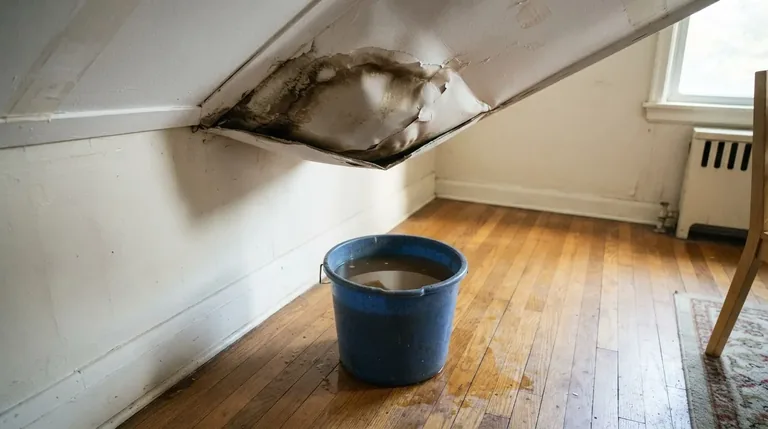
Ceiling Water Damage in Memphis, TN: First Steps
If a burst pipe or water heater leaks through your ceiling, MLGW says it will turn off the water supply for a leak inside the home that threatens to flood the building; call 901-528-4465.
Who to Call First in MemphisFirst Steps for a Wet Ceiling
Start with safety, then find out where the water is coming from. A ceiling that sags, bulges or drips near a light fixture is a reason to stay out of that room. If a burst pipe or water heater inside the home is the source, MLGW's emergency line at 901-528-4465 is the number to call.
- Keep people and pets out from under a sagging or bulging area, and out of any room where water is dripping near lights, outlets or switches.
- Call 911 if there is an immediate danger, such as a gas smell, suspected electrocution or a ceiling that looks ready to fall.
- Use your home's main shut-off valve if you can reach it safely. Do not force a valve you cannot operate; seek qualified help.
- Photograph the ceiling, the floor below and anything that got wet before you move things, where it is safe to do so.
Finding Where the Water Came From
The source decides who fixes the problem and how an insurer looks at it. Water on a ceiling can come from a pipe, a water heater or a fixture on the floor above, from the roof, or from equipment in the attic. A wet spot alone does not tell you which one, so treat the cause as unknown until someone finds it.
- A supply line or water heater leak on an upper floor or in the attic: MLGW's hotline applies when the leak is inside your home and could flood the building. The burst pipe guide for Memphis covers that case, and MLGW explains it on its burst water pipes page.
- A leak that appears during or after rain: the roof covering, flashing or gutters may be involved, and a roofer can inspect them.
- A stain that returns after a repair: the earlier fix may not have reached the real source.
- Water that smells like sewage: stop and treat it as contaminated. Sewer issues go to Public Works, as the guide on who to call explains.
A stain shows that water reached the material at some point. It does not show whether the source is still active. Ask the person who inspects it to say what they found and what they could not check.
Who to Call for Each Source
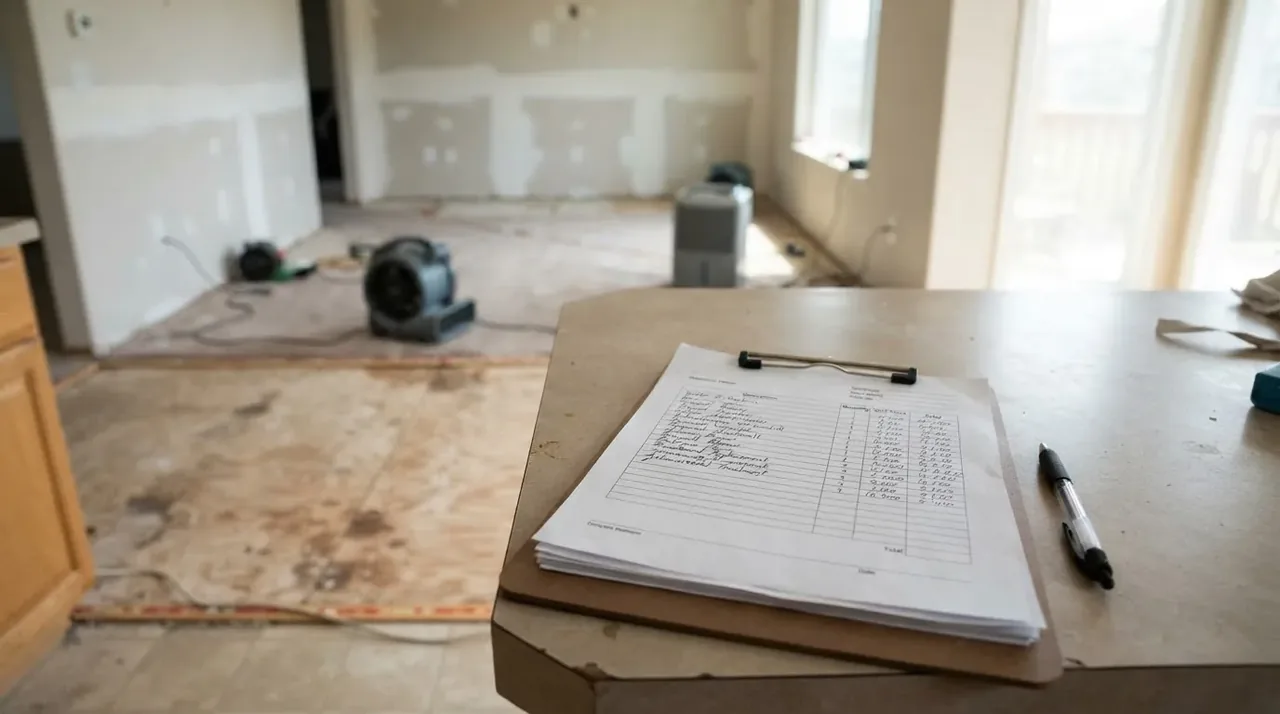
Different sources go to different offices: the utility, the city or your insurer, depending on the cause. Use the table below, then follow the who to call first page for Memphis when you are unsure which line applies to your address.
| Source of the ceiling water | Who to contact | Phone | Verification |
|---|---|---|---|
| Burst pipe or water heater leak inside the home | MLGW emergency hotline | 901-528-4465 | Checked: September 2026 |
| Sewage backing up from a drain | City of Memphis Public Works, weekdays 8:00 a.m. to 4:30 p.m. | 901-636-6762 | Checked: September 2026 |
| Clogged storm drain outside the home | Drain Maintenance Service Office | 901-357-0100 | Checked: September 2026 |
| Billing or connection questions only | MLGW Residential Customer Care | 901-544-6549 | Checked: September 2026 |
| A dispute with your insurer over the claim | Tennessee Department of Commerce and Insurance | 615-741-2218 or 800-342-4029 | Checked: September 2026 |
Documenting Ceiling Damage for Your Insurer
Documentation is the part of a ceiling claim you control. The Tennessee Department of Commerce and Insurance (TDCI) and the Red Cross both recommend documenting damage. Photos and video taken before cleanup, plus receipts for anything you spend on protection, give your insurer something concrete to work from.
- Take wide shots of each room and close shots of the stain, any bulge and the fixture or pipe above it.
- Keep damaged materials for inspection where it is safe to do so.
- Make only temporary protective repairs, such as stopping continuing water entry, before the insurer has looked. TDCI advises temporary protection first and inspection before permanent repairs where possible.
- Save receipts and write down dates of calls with your insurer, contractors and any city or utility office.
Under Tennessee rule 0780-01-05-.08, within 60 days after properly completed and executed proofs of loss, an insurer must accept or deny liability or notify you that more investigation is needed. If the investigation stays incomplete, it sends letters with reasons 60 days after that notice and every 60 days thereafter. Once the insurer affirms liability, payment is due within 30 days if the amount is determined and not in dispute. The rule text is on the Tennessee Secretary of State rules page.
This page is general information, not legal or insurance advice. Coverage for a ceiling leak depends on the cause and your policy wording. The Tennessee insurance claim guide walks through the claim process.

Hiring Help After a Ceiling Leak
You may end up dealing with a plumber, a roofer and a restoration provider, each for a different part of the job. Ask every company for proof of insurance and for any trade license the job requires. Get the scope and the price in writing before work starts.
- For a prime contractor, Tennessee requires a contractor license on projects costing $25,000 or more; ask the provider which license your job needs.
- In Shelby County, a home improvement license is required for residential remodeling projects costing $3,000–$24,999, according to the state home improvement license page.
- The Tennessee Department of Commerce and Insurance takes policy questions at 615-741-2218 or 800-342-4029; contractor license questions go to the state's contractor licensing board.
- Price depends on the type of water, the area affected and the materials involved. The Memphis cost guide explains what can and cannot be said about pricing.
If you rent, tell your landlord in writing. Your renters policy covers your belongings, not the building.
Ceiling Leaks and Mold
Wet ceiling material can support mold if it stays damp. FEMA describes how soon moisture-holding items can develop mold: wet carpeting, furniture, bedding and any other items holding moisture "can develop mold within 24 to 48 hours." Ask the person inspecting your ceiling which materials got wet.
- EPA describes conditions that generally prevent growth: in most cases, mold will not grow if wet or damp items are dried within 24 to 48 hours.
- CDC advises prompt drying after a flood: drying out fully and quickly within 24 to 48 hours.
- Read the Memphis mold guide if you see or smell mold after a leak. FEMA's sentence is in its Spring Flood Fact Sheet.
If That Did Not Work
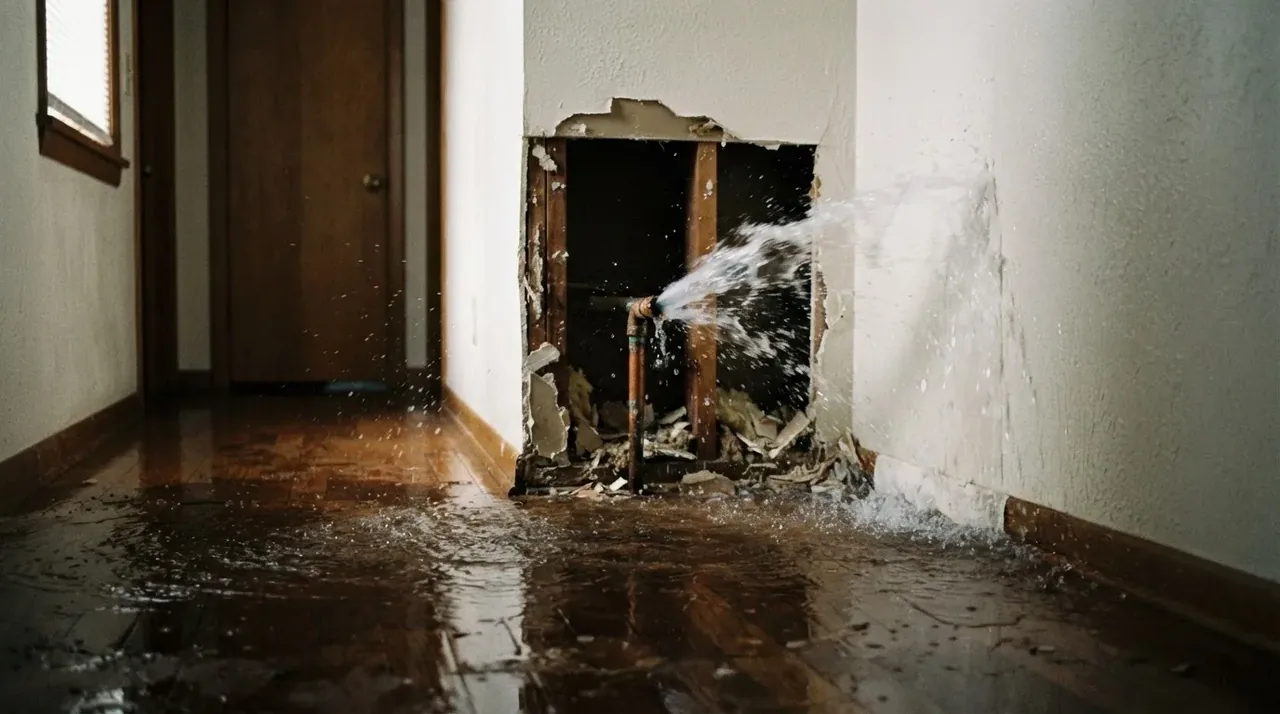
If the leak keeps coming back or nobody will take responsibility, you have three exits: try the same route again with more detail, take a different route, or bring in the agency that oversees the party involved. This guide cannot promise how long any of them will take.
- Try again: repeat the call and describe the ceiling, the room above it and whether it is dripping now.
- Another route: if one contractor cannot find the source, ask a different trade to look. A roofer, a plumber and a restoration provider each check different things.
- Who to contact: for an insurer problem, TDCI at 615-741-2218 or 800-342-4029. For a pipe or water heater emergency inside the home, MLGW at 901-528-4465.
Frequently Asked Questions
Is a ceiling stain the same as an active leak?
Is it safe to stay in a room with a sagging ceiling?
Will my insurer pay for ceiling damage?
How do I document a ceiling leak?
Does stopped dripping mean nearby electrical equipment is safe?
Can rain cause a ceiling leak?
Water in your home right now?
See who to call first in Memphis, how to reach your water provider, and how to check your flood zone.
Who to Call First in Memphis